 01772 736 500
 sales@mrsuk.net
 Our Location
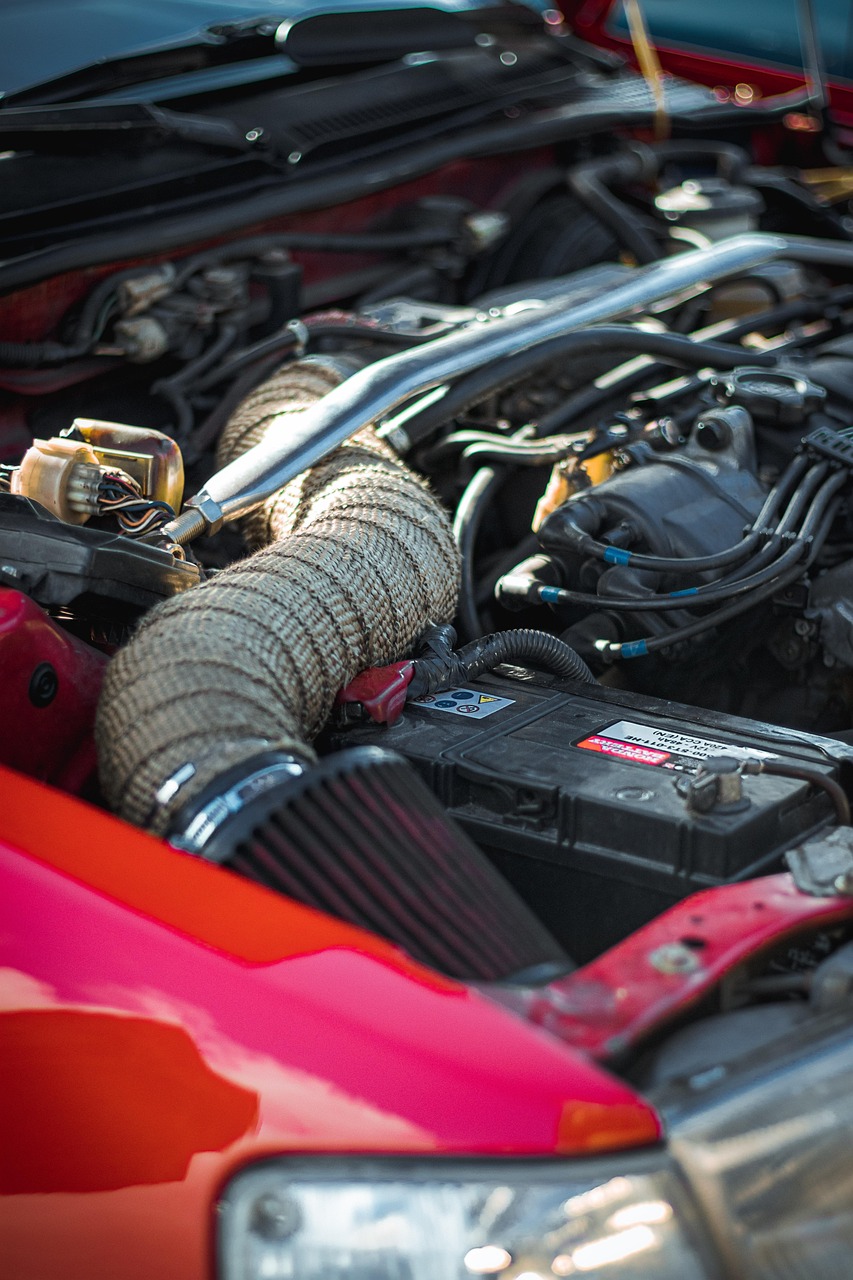
A car radiator plays an important role in keeping the engine at a safe operating temperature. It works by removing excess heat from the coolant before sending it back through the engine. But how hot does a car radiator get? And what happens if the radiator becomes too hot?
So how hot does a car radiator get?
A car radiator can become very hot while the engine is running, although its exact temperature will depend on the vehicle, engine and driving conditions. The coolant flowing through the radiator can commonly reach temperatures of around 80°C to 100°C, and in some circumstances can become even hotter.
The radiator is designed to deal with these high temperatures by transferring heat from the coolant into the surrounding air. Several components work together to make this possible, including:
- The engine coolant- Coolant absorbs heat as it circulates through the engine. Once it becomes hot, it travels towards the radiator so that this excess heat can be removed.
- The radiator core- The hot coolant passes through the narrow tubes inside the radiator core. These tubes have a large surface area, allowing heat to move from the coolant into the surrounding metal and air.
- The radiator fan- When the vehicle is stationary or there is not enough natural airflow through the radiator, the radiator fan helps draw air through the radiator. This allows heat to continue being removed from the coolant.
- The radiator fins- Thin metal fins surround the radiator tubes and increase the surface area available for heat transfer. This allows the radiator to release heat more efficiently.
- The cooling system pressure- The cooling system is pressurised while the engine is running. This increases the boiling point of the coolant and allows it to operate safely at temperatures above the normal boiling point of water.
Why does a car radiator get so hot?
The radiator gets hot because it is removing heat that has been generated by the engine. During combustion, a significant amount of energy is converted into heat. This means that without an effective cooling system, this heat would quickly build up and could cause serious engine damage.
Hot coolant flows from the engine into the radiator, where the heat is transferred to the radiator itself and then released into the surrounding air. Once the coolant has cooled sufficiently, it returns to the engine to absorb more heat. This process happens continuously while the engine is running, helping to maintain a suitable operating temperature.
Can a car radiator become too hot?
Although car radiators are designed to operate at high temperatures, excessive heat can indicate that there is a problem somewhere within the cooling system. For example, an engine that is overheating may be caused by a low coolant level, a faulty thermostat, a damaged water pump or a problem with the radiator itself.
There are several warning signs that may indicate an overheating problem, including:
- The temperature gauge rising- If the engine temperature gauge moves into the red zone or rises significantly higher than normal, this can indicate that the cooling system is struggling to remove enough heat.
- Steam from underneath the bonnet- Steam or vapour coming from the engine bay can be a sign that coolant has become extremely hot or is leaking from the cooling system.
- Coolant leaks- A damaged radiator, hose or connection can allow coolant to escape. A low coolant level can then reduce the cooling system’s ability to control engine temperature.
- An overheating warning light- Many modern vehicles have warning lights or messages that alert the driver when the engine temperature becomes too high.
- Changes in engine performance- Severe overheating can affect the way an engine operates and, if the problem is ignored, can eventually cause significant internal engine damage.
Why is car radiator repair important?
Because the radiator is responsible for removing heat from the engine coolant, even a relatively small fault can affect the overall cooling system. Leaks, corrosion, blockages and damaged radiator components can all reduce the radiator’s ability to transfer heat effectively. If a radiator is showing signs of damage or the engine is regularly running hotter than normal, professional car radiator repair can help identify the cause of the problem and prevent further damage. Having radiator faults inspected and repaired promptly can help maintain effective engine cooling and reduce the risk of expensive repairs caused by overheating.
For more information or for professional auto air conditioning repairs and servicing, get in touch with the team today, here at MRS Heat Transfer.