 01772 736 500
 sales@mrsuk.net
 Our Location
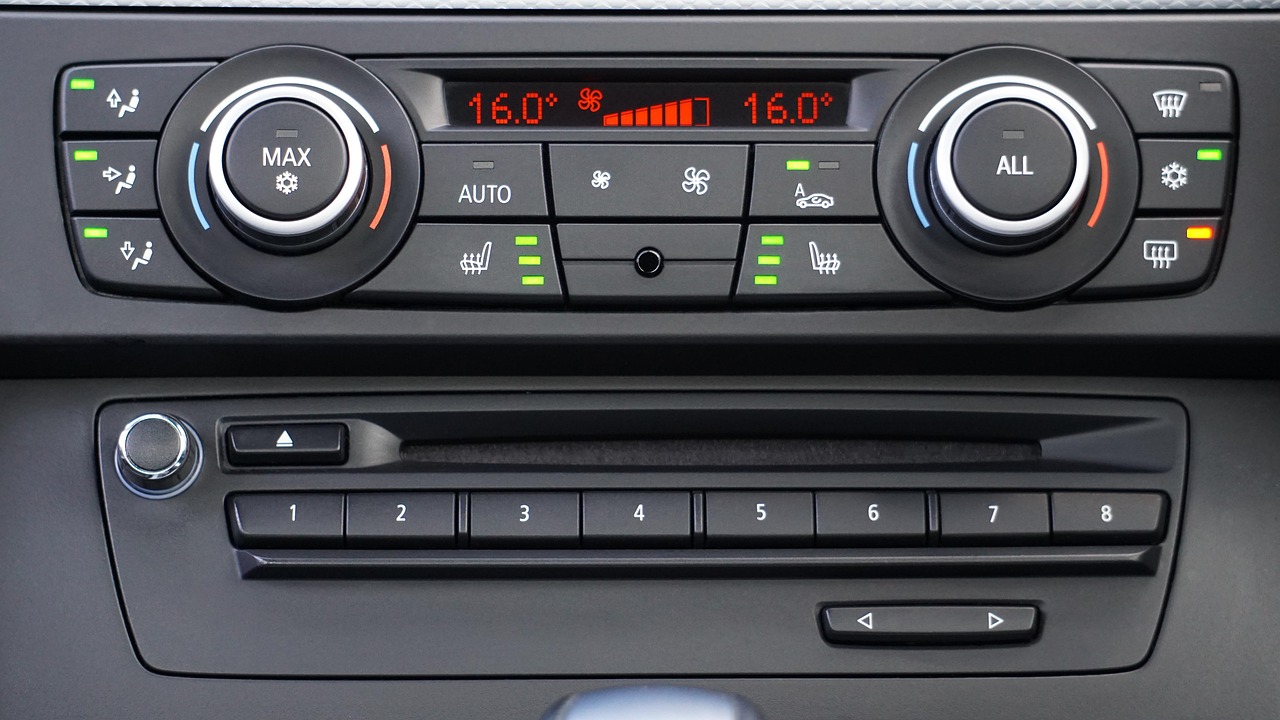
Car air conditioning is an important part of keeping the inside of your vehicle cool and comfortable, particularly during warmer weather. But does car air conditioning use gas? And what type of gas is used in a car air conditioning system?
So does car air conditioning use gas?
Yes, car air conditioning systems use a type of gas called refrigerant to cool the air inside the vehicle. This refrigerant is a substance specifically designed to absorb and release heat as it moves around the air conditioning system. The refrigerant works alongside several other components to remove heat from the air inside the car. These include:
- The compressor- The compressor circulates the refrigerant around the air conditioning system. It increases the pressure of the refrigerant, causing it to become a hot, high-pressure gas before it travels towards the condenser.
- The condenser- Located towards the front of the vehicle, the condenser removes heat from the refrigerant. As the refrigerant cools, it changes from a gas into a liquid, ready to continue through the system.
- The expansion valve- The expansion valve reduces the pressure of the refrigerant. This causes its temperature to drop and allows it to become cold enough to absorb heat from the air inside the vehicle.
- The evaporator- The cold refrigerant passes through the evaporator, which is normally located behind the dashboard. Air from inside the vehicle passes over the evaporator, allowing heat to be absorbed by the refrigerant before the cooled air is blown into the cabin.
- The refrigerant cycle- Once the refrigerant has absorbed heat from the cabin, it returns to the compressor and the process starts again. This continuous cycle allows the air conditioning system to keep removing heat from inside the vehicle.
What type of gas is used in car air conditioning?
The type of refrigerant used in a car depends on the vehicle and when it was manufactured. Older vehicles may use refrigerants that are no longer used in newer systems, while modern cars commonly use refrigerants such as R134a or R1234yf.
It is important that the correct refrigerant is used for the vehicle, as different air conditioning systems are designed to work with specific types of refrigerant. This means that using the wrong refrigerant can affect the performance of the system and may cause damage to its components.
Does car air conditioning gas run out?
Unlike fuel, air conditioning refrigerant is not normally something that should regularly run out. This is because the system is designed as a sealed circuit, meaning that the refrigerant should remain inside it.
However, refrigerant can gradually be lost if there is a leak or if a component within the system becomes damaged. A reduction in refrigerant can cause the air conditioning to become less effective, meaning that the air coming from the vents may not be as cold as it should be.
Some common signs of a potential refrigerant problem include:
- Warm air from the vents- If the air conditioning is switched on but the air remains warm or only slightly cool, there could be insufficient refrigerant in the system.
- Reduced cooling performance- The system may still produce some cold air but struggle to cool the cabin effectively, particularly during warmer weather.
- Unusual noises- Strange noises when the air conditioning is switched on can sometimes indicate a problem with the compressor or another component of the system.
- Visible leaks- A damaged air conditioning component can allow refrigerant or other fluids to escape. However, refrigerant leaks are not always easy to see, so professional inspection may be required.
- The system stops working- If enough refrigerant is lost, the air conditioning system may no longer be able to produce cold air effectively.
Why is professional air conditioning maintenance important?
Regular maintenance can help to identify problems with your car’s air conditioning system before they develop into more serious faults. If the system is not cooling properly, a professional can check the refrigerant level, inspect the system for leaks and assess components such as the compressor, condenser and evaporator. It is particularly important not to simply add more refrigerant without identifying the cause of a low level, as a leak could mean that the refrigerant will continue to escape. Having air conditioning faults diagnosed and repaired professionally can help to restore the system’s performance and prevent further damage to its components.
For more information or for professional auto air conditioning repairs and servicing, get in touch with the team today, here at MRS Heat Transfer.